Roofing Marketing Agency
Want More Homeowners Calling You?
You know your roofing work is good. You just need more local homeowners to find you when they need a roofer.
You know your roofing work is good. You just need more local homeowners to find you when they need a roofer.
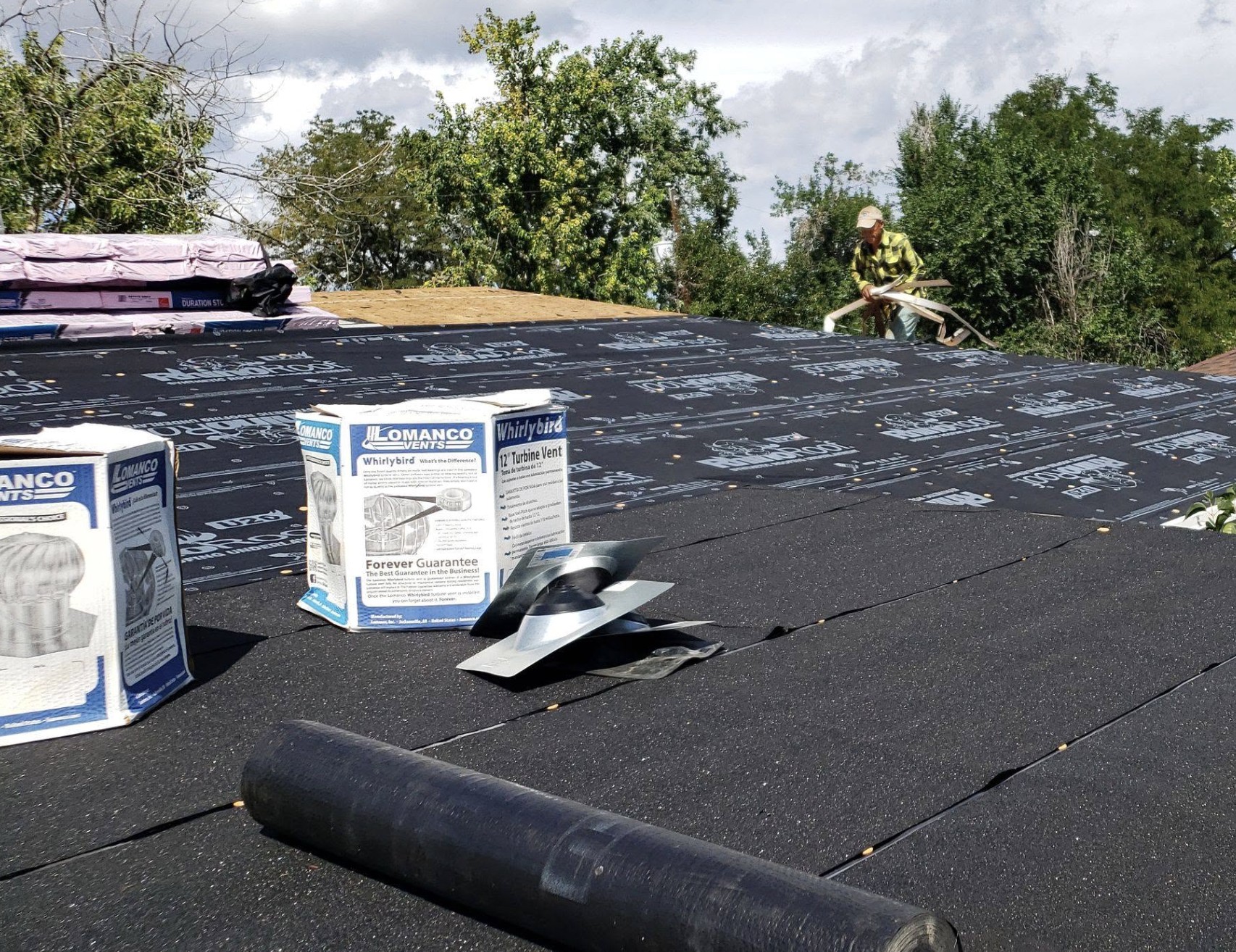
I've worked roofing, so I know what a long day does to you. You get home with your legs aching from a steep roof, take a shower, eat, and you're ready for bed. You don't want to figure out where the next job's coming from. But when referrals slow down and the calendar is empty, you can't just ignore it. That's why we handle the SEO, Google Ads, landing pages, and website for you. Your marketing keeps working to bring in jobs while you focus on your crews, your customers, and getting the actual roofing work done.
Get More JobsSend over your details and get your current marketing reviewed. You'll get a clear look at your website, Google presence and the opportunities in your service area.
Get a plan built around where you work, what roofing jobs you want and what you already have in place. You'll know what needs to happen next and why.
Put the plan into action with the pieces your business needs. That may include a new website, dedicated landing pages, Google Ads, SEO, or a mix built around your market.
A custom plan to help you get more roofing leads and book more jobs in the areas you want to work.
A clear look at what's working, what's not, and where you could be missing out on new roofing jobs.
A simple 90-day plan that shows you what to do next to get more calls, more quotes, and more booked jobs.
Clicks and website traffic can be useful, but they are not the numbers you pay your crews with. What matters is whether homeowners are calling, requesting quotes, booking roof inspections and turning into paying customers. That means your roofing marketing should be tracked from the first search as far through the sales process as possible — phone calls, website forms, Google Ads enquiries, and which leads became estimates and signed jobs. The goal is not a report full of impressive-looking numbers. You should be able to answer a simple question: what did I spend, what opportunities did I get, and what revenue came from them?
Start by being careful with big promises — nobody can honestly guarantee your roofing company will rank number one on Google by a certain date. Instead, look at what will actually be measured. Ask how phone calls and quote requests will be tracked, whether you'll know which leads came from Google Ads, organic search and landing pages, and what happens when a campaign brings in the wrong type of leads. You should also know who is doing the work and who you'll speak to after you get started. Most of all, watch how the conversation is framed — if everything comes back to rankings, impressions and clicks, keep asking what those numbers mean for estimates, booked inspections, signed jobs and revenue.
Google Ads can put your roofing company in front of people actively searching for services like roof replacement or storm damage help, but the setup matters. Your ads should focus on the services and locations you actually want, with negative keywords filtering out searches that aren't a fit. What happens after the click matters too — a focused landing page can explain the service, build trust and make calling easy. Don't judge Google Ads only by cost per click; look at qualified enquiries, estimates, sales and customer acquisition cost. A £30 click that becomes a profitable roof replacement can be far more valuable than a £5 click that goes nowhere.
You should not need a brand-new website just because yours is a few years old. Sometimes the better option is improving what you already have — better service pages, stronger calls to action, clearer proof, improved local SEO and better lead tracking. A rebuild may make more sense if your website is very slow, difficult to edit, broken on mobile, or built on old technology that keeps causing problems. Think about the website as part of your sales process rather than an online brochure — a homeowner should quickly understand what roofing work you do, where you work, why they should trust you and how they can contact you.
You probably don't need every person looking for a roofer — you need more of the people looking for the roofing work you actually want. If full roof replacements are your best jobs, your website and campaigns can give more attention to replacement searches. If you want commercial roofing, storm damage work or higher-value repairs, those services can have their own pages and campaigns. Location matters too — there's little value paying for a lead 50 miles away if your crews rarely work there. No setup can remove every bad enquiry, but the aim is to improve the mix so your estimator spends less time chasing work you never wanted in the first place.
You should expect to be involved at the start because nobody knows your roofing company better than you do — the areas you want to cover, the jobs you want more of, your usual job values, photos, reviews and the reasons customers choose you. After that, the aim is to reduce how much of your time marketing takes. You shouldn't need to spend evenings writing blogs or changing ad bids. You should still have visibility into what's happening through simple updates covering leads generated, lead cost, and what's being worked on next — and your feedback on lead quality matters too.
We'll show you exactly where your Google presence, website and marketing are costing you roofing jobs.
Get My Free Audit